Weight Loss Program Marketing for Med Spas: How to Fill Consults
 Mor RomanoCTO, Growbi9 min read
Weight loss program marketing is the system a med spa uses to attract, qualify, and enroll medical weight loss patients. It works when the offer is a paid consultation rather than a price, ads stay inside platform health rules, the funnel books a real appointment, and follow-up runs for weeks because most patients decide slowly.
On this page
Why does medical weight loss need its own marketing system?
Injectables sell on a single decision. A patient sees a result they want, books, pays once, and comes back in three or four months. Medical weight loss behaves nothing like that. It is a months-long commitment involving medication, lab work, follow-up visits, and a real change in daily life.
That difference changes every part of the funnel. The ad has to build trust rather than urgency, the landing page has to answer medical questions before commercial ones, and the follow-up sequence has to survive a decision cycle measured in weeks. A campaign structure copied from your Botox account will underperform for reasons that have nothing to do with budget.
What does a weight loss patient actually want to know first?
Before price, most prospects want to know whether they qualify, what the medication is, what the side effects feel like, whether a clinician supervises the program, and what happens if it does not work for them. Those questions are medical, personal, and often carry embarrassment.
Marketing that answers them plainly outperforms marketing that skips to a discount. Copy that says who the program suits, who it does not suit, and what the first visit involves removes the two biggest reasons people never fill in the form: fear of being judged and fear of wasting money.
What offer converts best for a weight loss program?
The strongest performing offer in this category is a low-friction, clinician-led assessment with a clear outcome, for example a body composition and eligibility consultation that ends with a written plan. It gives the prospect a reason to show up and gives your team a chance to explain the program properly.
| Offer | Lead volume | Consult show rate | Typical risk |
|---|---|---|---|
| Free eligibility consultation | High | Low to medium | Attracts curiosity clicks and no-shows |
| Paid assessment credited to the program | Medium | High | Fewer leads, needs stronger creative |
| Discounted first month | High | Medium | Trains patients to shop on price |
| Educational guide then consult | Medium | Medium to high | Slower, but builds trust for higher-ticket programs |
A small paid commitment, credited toward the program if the patient enrolls, is the single most reliable fix for a low show rate. It filters out people who were never going to attend without making the offer feel expensive.
How do you advertise weight loss without breaking platform rules?
Meta prohibits ad content that implies knowledge of a personal health attribute, and its advertising policies restrict body-image based messaging, including before and after images that imply unrealistic results. Google's healthcare and medicines policy places similar limits on prescription-related promotion. These rules are not optional, and accounts in this category get restricted quickly.
- Write in the third person about the program, not the second person about the viewer's body.
- Avoid before and after photos of body weight, and avoid scale numbers as the headline promise.
- Do not imply the viewer is overweight or that the platform knows anything about their health.
- Name the clinical supervision and the intake process, which is both compliant and persuasive.
- Keep specific medication brand claims off the ad and handle them in the consultation instead.
Compliant creative also tends to be better creative here. Ads that describe the program, the clinician, and the process attract people who are ready to be treated, while ads built on body shame attract clicks that never convert.
Which channels bring in medical weight loss patients?
Meta drives discovery for people who have not yet decided to act. Google search captures the ones already looking for a provider nearby, and that intent usually converts at a higher rate for a lower cost per enrolled patient. Most practices need both, with search protecting your brand and local terms while Meta creates new demand.
Local visibility matters more than practices expect. A well-maintained Google Business Profile, real patient reviews, and a dedicated program page will often outperform an extra thousand dollars of ad spend, because weight loss prospects check your credibility before they book.
What should the landing page for a weight loss program contain?
One page, one program, one action. Sending weight loss traffic to a general med spa homepage is the most common and most expensive mistake in this category, because the visitor has to hunt for the answer they came for.
- A headline naming the program and the city or region you serve.
- A short eligibility section stating who the program suits and who it does not.
- The clinician's name, credentials, and role in supervising the program.
- What the first appointment includes, step by step, with the time it takes.
- Answers to the medication, side effect, and monitoring questions people actually ask.
- One booking action repeated down the page, with no competing navigation.
How do you turn a weight loss inquiry into a booked consult?
The gap between an inquiry and a paid program is where most practices lose the money they spent on ads. This sequence closes it.
Capture the essentials only
Name, phone, email, and one qualifying question. Every extra field on a health form costs completions, and the rest belongs in intake.
Book on the spot
Show live appointment times immediately after the form instead of promising a callback. A scheduled slot converts far better than a queued lead.
Respond within five minutes
Send an instant text and email confirmation, and have a human call quickly. Speed to lead is the strongest controllable variable in this category.
Reduce the no-show risk
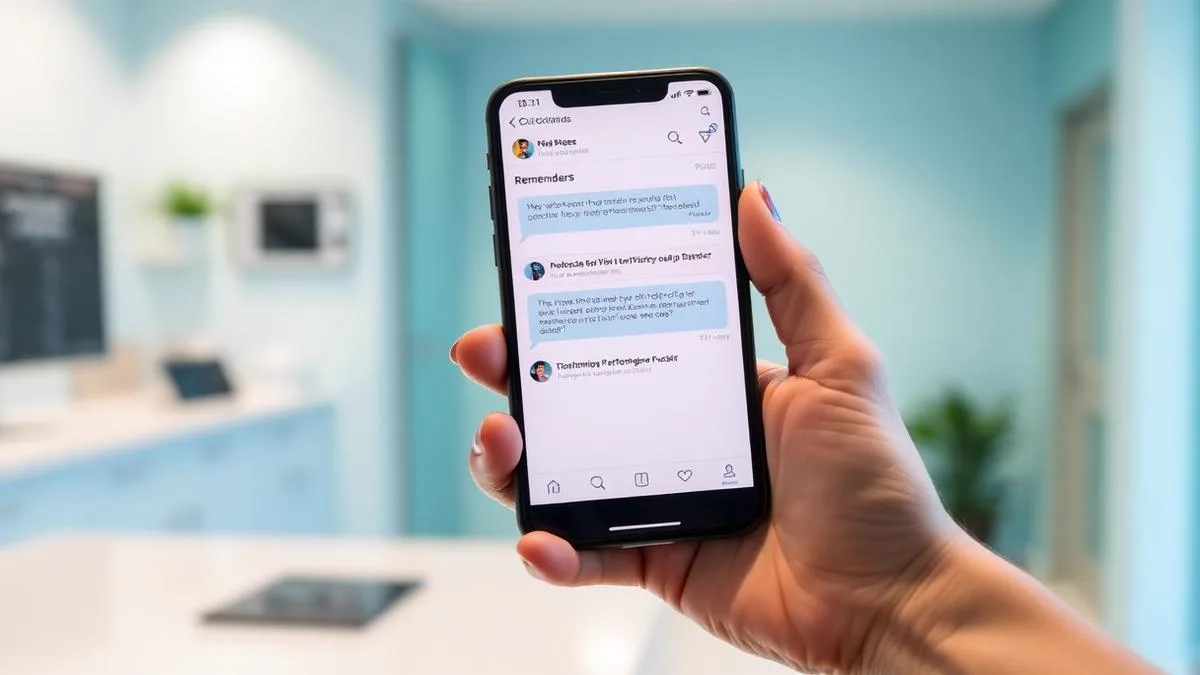
Confirm by text the day before and the morning of, restate what the visit includes, and make rescheduling one tap rather than a phone call.
Prepare the consult to sell the program
Give the clinician the answers from the form so the visit starts with the patient's actual goal instead of a blank page.
Follow up for weeks, not days
People who do not enroll on day one often enroll in week six. A patient education sequence keeps you in the decision without discounting.
What numbers tell you the marketing is working?
Cost per lead is close to meaningless for a program with a long decision cycle. The metrics that predict revenue are the ones further down the funnel.
| Metric | What it tells you | Where to fix it |
|---|---|---|
| Consult booking rate | Whether the funnel converts interest | Landing page and scheduling step |
| Consult show rate | Whether the offer filtered for intent | Offer type and reminder sequence |
| Consult to enrollment rate | Whether the consult explains the program well | Consult script and clinician handoff |
| Cost per enrolled patient | Whether the channel is actually profitable | Budget allocation and creative |
| Month three retention | Whether the program delivers lifetime value | Clinical follow-up and patient support |
Retention deserves marketing attention too. A weight loss patient who stays for six months is worth several times one who leaves after four weeks, so the check-in cadence, the education, and the support you provide are revenue decisions, not admin.
How much should a med spa spend to launch this?
Enough to gather data before you judge the results. A program launch usually needs several weeks of consistent spend to test three or four creative angles, learn which audiences respond, and see a full decision cycle play out. Practices that stop after ten days almost always stop while the cost per enrollment is still falling.
We do not publish package prices, because the right budget depends on your market size, your consult capacity, and what a program patient is worth to you over a year. Those three numbers decide the answer.
What goes wrong most often in weight loss program marketing?
- Sending weight loss traffic to a general med spa page instead of a dedicated program page.
- Leading with the monthly price before the prospect trusts the clinician.
- Using body transformation imagery that trips platform policy and attracts the wrong audience.
- Booking callbacks rather than appointments, then losing the lead to slow response times.
- Judging channels on cost per lead while cost per enrolled patient tells the opposite story.
- Stopping follow-up after three days when the average decision takes weeks.
How does Growbi approach weight loss program campaigns?
We build the campaign around booked and attended consultations, because that is the only step that predicts program revenue. That means compliant creative tested systematically, a dedicated program landing page, live scheduling instead of callback promises, reminder sequences that protect the show rate, and reporting that shows cost per booked appointment rather than cost per click.
If you want to see what a realistic month of weight loss consults looks like in your market, the fastest way is a short strategy call where we look at your capacity, your current funnel, and your local competition together.
Frequently asked questions
What is weight loss program marketing?
Weight loss program marketing is the system a med spa or clinic uses to attract, qualify, and enroll medical weight loss patients. It combines a consultation-led offer, compliant advertising, a dedicated program landing page, live appointment booking, and a follow-up sequence that runs for several weeks because most patients decide slowly.
Can you advertise medical weight loss on Facebook and Instagram?
Yes, within limits. Meta's advertising policies restrict content that implies knowledge of a personal health attribute and restrict body-image based messaging, including before and after weight images. Ads that describe the program, the clinical supervision, and the intake process are both compliant and generally more effective than body-focused creative.
Should the first offer be a free or a paid consultation?
A small paid assessment credited toward the program usually produces fewer leads but a much higher show rate and enrollment rate. Free consultations generate volume and suit practices with spare capacity and a strong reminder process. Compare the two on cost per enrolled patient rather than cost per lead.
How long before a weight loss campaign produces enrolled patients?
Expect consults within the first weeks and a clearer enrollment picture over one to two months. The decision cycle is longer than for injectables, so early cost per enrollment usually looks worse than the settled number once follow-up sequences and creative testing have had time to work.
Do I need a separate landing page for the weight loss program?
Yes. Weight loss visitors arrive with eligibility, medication, and supervision questions that a general med spa page does not answer. A dedicated page covering who the program suits, what the first visit includes, and who supervises it converts materially better than sending that traffic to your homepage.
What is the most common reason weight loss leads do not convert?
Slow response and short follow-up. Many practices call once, then stop after a few days, while the patient is still researching. Instant confirmation, a call within minutes, appointment reminders, and an education sequence that continues for several weeks recover a large share of those inquiries.
Which metric should I judge the campaign on?
Cost per enrolled patient, supported by consult show rate and consult-to-enrollment rate. Cost per lead hides the difference between a channel that produces curious clicks and one that produces patients who attend, start the program, and stay past month three.
Does SEO matter for medical weight loss, or is it all paid ads?
Both matter. Paid ads create demand and fill the calendar quickly, while local search, a dedicated program page, and genuine patient reviews capture people already looking for a provider nearby. Search traffic usually converts at a lower cost per enrolled patient once the page ranks.
Want this built for your clinic?
Book a strategy call and we will model a realistic appointment target from your budget, market, and offer.