Med Spa Advertising: Meta vs Google Ads for Aesthetics Clinics
 Mor RomanoCTO, Growbi9 min read
Google Ads captures people already searching for a treatment, so it converts faster but costs more per click. Meta ads create demand with visual before-and-after style creative at a lower cost per lead but a lower intent level. Clinics with limited budget usually start with Google search for core treatments, then add Meta for volume.
On this page
The two platforms solve different problems. Treating them as interchangeable is the most common reason a med spa ad budget underperforms.
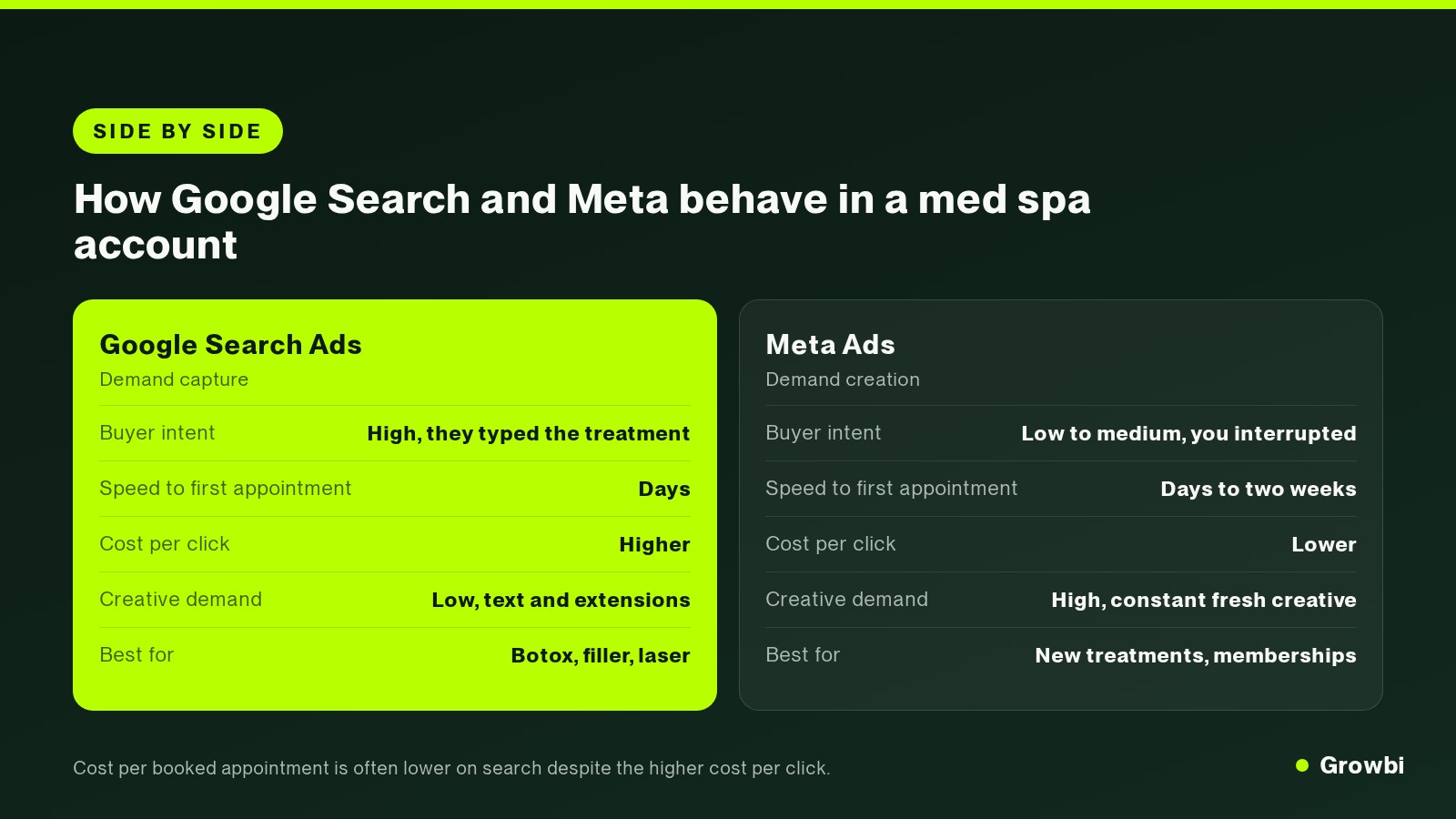
| Factor | Google Search Ads | Meta Ads |
|---|---|---|
| Buyer intent | High, they typed the treatment | Low to medium, you interrupted them |
| Speed to first appointment | Days | Days to two weeks |
| Cost per click | Higher, aesthetics CPCs commonly exceed $15 (Semrush) | Lower |
| Cost per booked appointment | Often lower despite higher CPC | Varies widely with offer strength |
| Creative demand | Low, text and extensions | High, needs fresh video and image creative constantly |
| Best for | Botox, filler, laser, anything people search by name | New treatments, memberships, seasonal offers |
How should a limited budget be split?
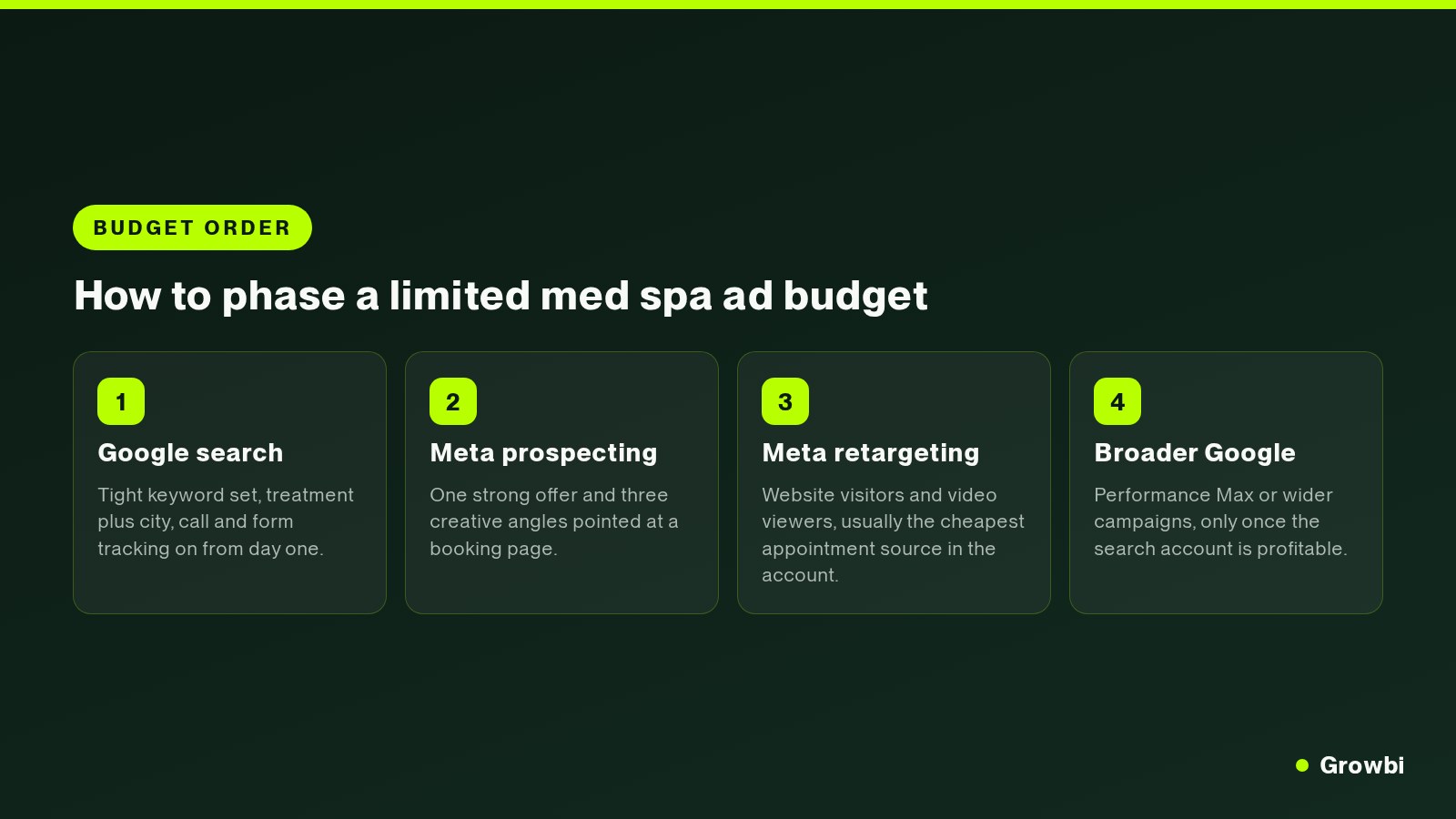
If the budget only supports one platform, start with Google search on your two or three highest-margin treatments and exact-match branded terms. Capture the demand that already exists before paying to create new demand. Once cost per booked appointment is stable there, add Meta to widen the top of the funnel.
- Phase one: Google search, tight keyword set, treatment plus city, call and form tracking on.
- Phase two: Meta prospecting with one strong offer and three creative angles.
- Phase three: Meta retargeting of website visitors and video viewers, which is usually the cheapest appointment source in the account.
- Phase four: Performance Max or broader Google campaigns, only once the search account is profitable.
What does good med spa ad creative look like?
- Practitioner-led video shot in the clinic, explaining one treatment in under thirty seconds.
- A specific offer tied to a treatment, not a vague new patient special.
- Real patients and real staff rather than stock footage, which raises both trust and platform performance.
- A single clear next step that lands on a booking page, not the homepage.
What should you track?
Platform-reported leads are not appointments. Connect your booking system, use offline conversion imports where possible, and judge each campaign on cost per confirmed appointment and revenue per patient. A campaign with double the leads and half the show rate is not the winner it appears to be in the dashboard.
Frequently asked questions
Are Google Ads or Facebook Ads better for a med spa?
Google captures existing treatment intent and usually converts faster, Meta creates demand and generates volume at a lower cost per lead. Most clinics get the best result running Google search first and adding Meta once cost per appointment is stable.
How much should a med spa spend on advertising?
There is no universal figure. Set the budget from your target number of new patients, your cost per booked appointment, and your average patient value over a year. Start small enough to test, then scale only the campaigns with a proven cost per appointment.
Why do med spa ads get rejected?
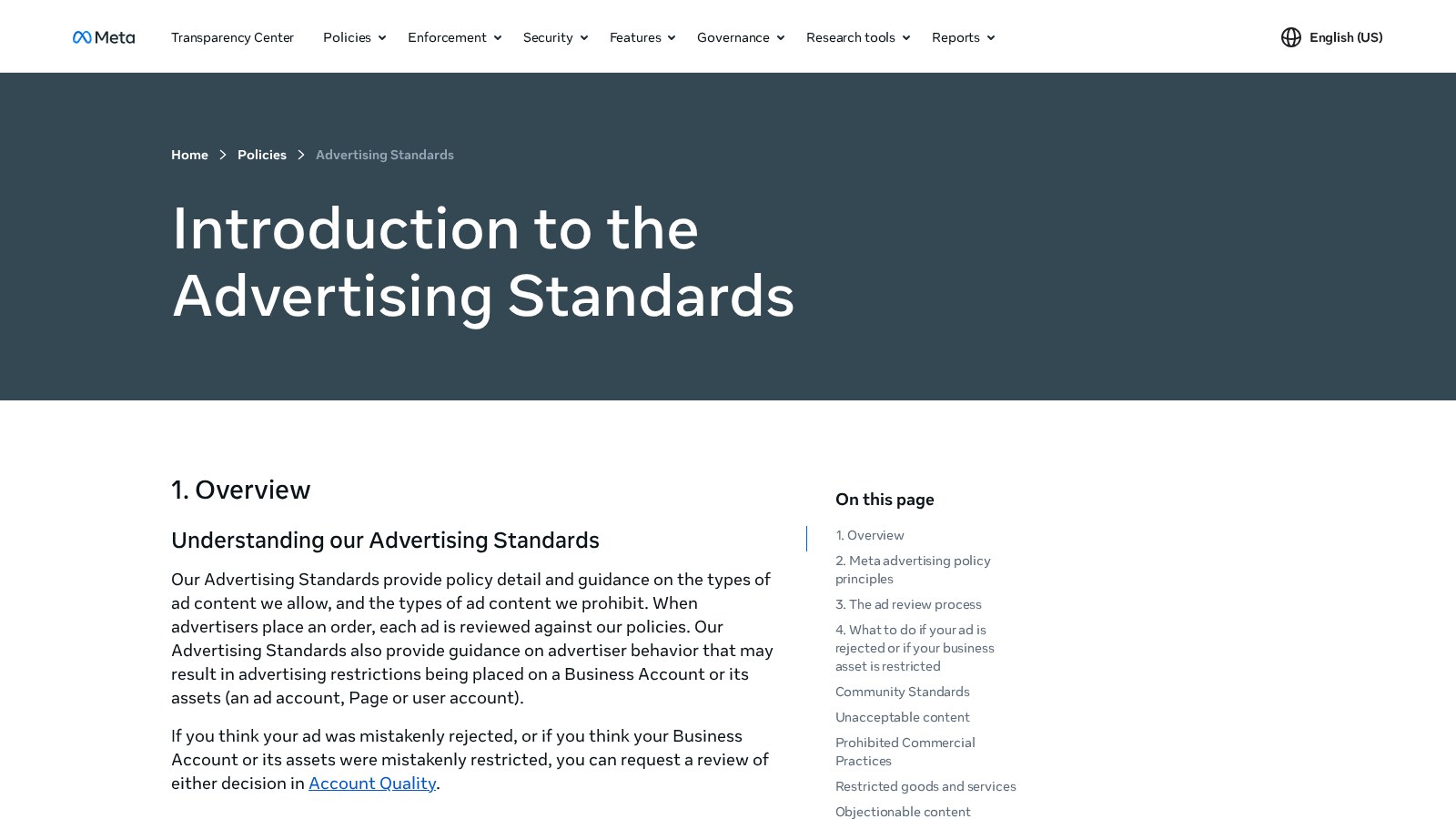
Health-related advertising policy restricts implied outcome guarantees, certain before-and-after imagery, and personal attribute targeting. Review current platform policy before production and keep a compliant creative variant ready.
How long before ads produce booked appointments?
With tracking, offers, and creative ready at launch, the first appointments usually appear within one to three weeks. Volume in month one depends on budget, treatment pricing, and local competition.
Want this built for your clinic?
Book a strategy call and we will model a realistic appointment target from your budget, market, and offer.