CoolSculpting Marketing: Selling Body Contouring Without Overpromising
 Mor RomanoCTO, Growbi9 min read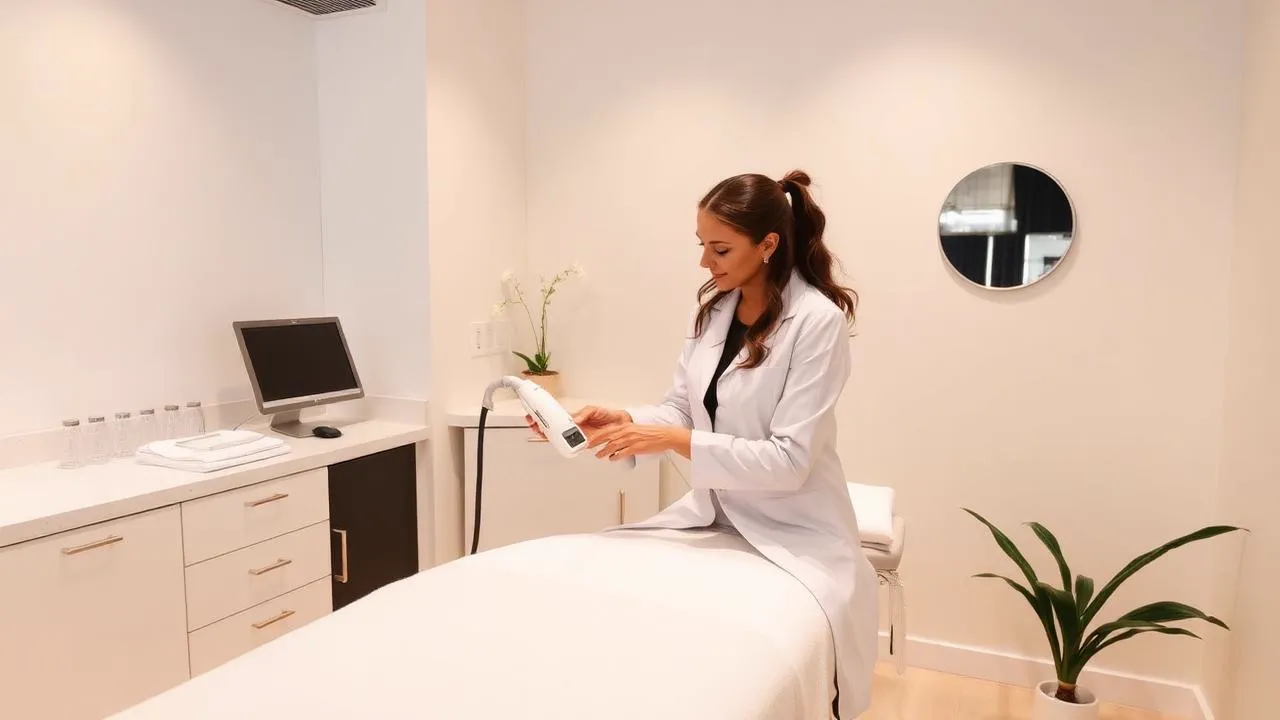
Effective coolsculpting marketing focuses on hyper-local digital advertising and educational content rather than promised outcomes. CoolSculpting uses controlled cooling to reduce fat cells in a treated area without surgery, results vary by candidate, and potential clients typically research for 4 to 8 weeks. A marketing strategy that combines google ads, a dedicated CoolSculpting page with real before and after photos, email marketing campaigns and a referral program books consultations at a lower cost than discount-led campaigns.
On this page
A CoolSculpting device is expensive, and idle capacity is the fastest way to lose money on one. CoolSculpting attracts roughly 135,000 average monthly searches nationwide and inquiries exceed 30 million a year, so demand is not the problem. The problem is that most practices try to sell the transformation instead of the assessment, which gets ads rejected and produces refund requests from patients who were never suitable.
What is CoolSculpting and why does the messaging matter?
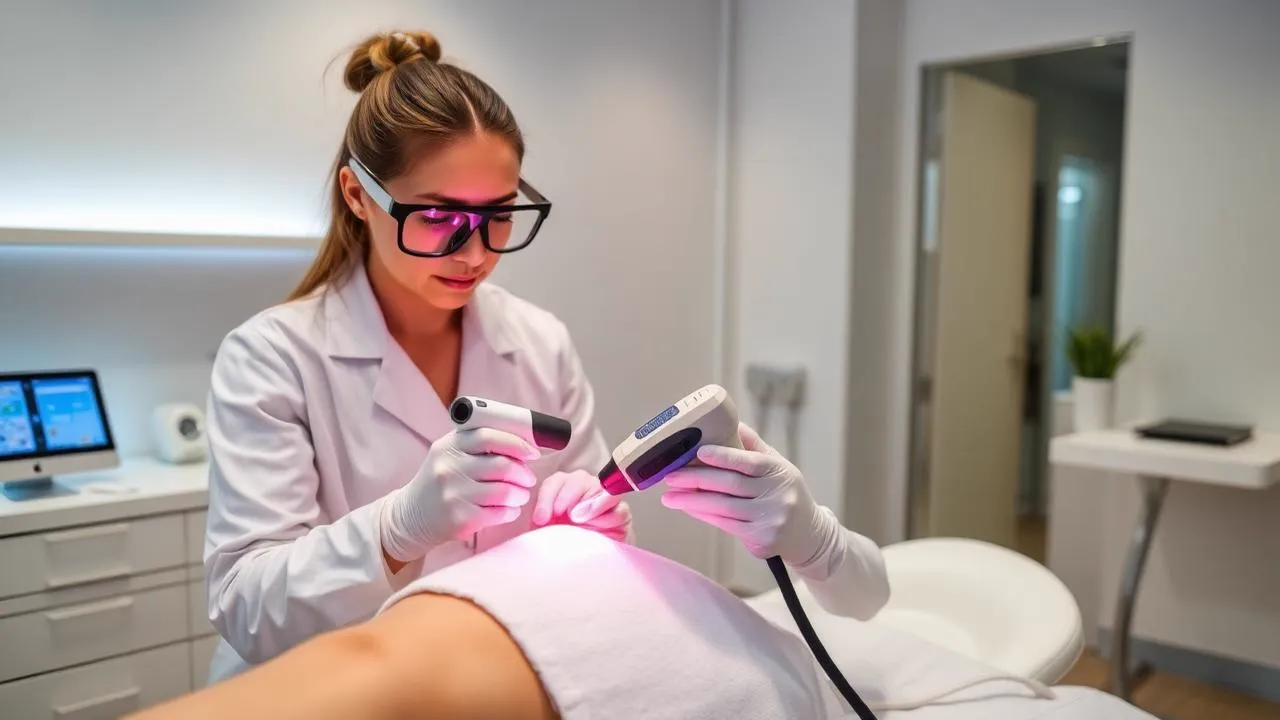
CoolSculpting is an FDA cleared, non surgical fat reduction procedure that uses controlled cooling to crystallise fat cells in a treatment area so the body clears them over the following weeks. It is not weight loss surgery, it carries none of the downtime of surgery, and it is not a substitute for diet and exercise. The treated area shrinks gradually, results vary from person to person, and the same patient may need more than one visit per abdomen or flank to see the change they pictured.
That clinical reality shapes every part of a coolsculpting marketing plan, and creating campaigns around it is what separates practices that book consultations from practices that only collect leads. Because controlled cooling works on stubborn fat rather than overall body weight, your campaigns should speak to candidacy, safety and the value of an expert evaluation. Successful CoolSculpting marketing emphasises education over direct selling, and that is also the only messaging the ad platforms reliably approve.
What will digital advertising platforms not allow?
- Before and after imagery inside the ad itself, and any implication of an idealised body.
- Creative that draws attention to the abdomen, love handles or bra fat in a way suggesting the viewer should be dissatisfied.
- Targeting or copy implying knowledge of the viewer's weight or health status.
- Superlatives and guarantees. Permanent fat loss style claims invite both platform and FDA compliance problems.
How do google ads and Meta campaigns capture high-intent searches?
Search engines are where the decision starts. Someone typing CoolSculpting or non surgical fat reduction near me already understands the category and wants a provider. Targeted digital advertising on google ads and Meta should therefore focus on conversions rather than clicks, and every campaign needs to point at a page built for that treatment rather than your homepage.
Keep coolsculpting campaigns hyper-local, and keep developing the geography as the data comes in. A radius that matches your real catchment keeps cost per inquiry down and keeps the audience relevant. Keep developing the calendar around seasonal demand peaks, because body contouring inquiries rise before summer and again in the new year, and pull budget back in the quiet weeks so the same money buys more consultations when intent is highest.
The dedicated CoolSculpting page
A dedicated CoolSculpting page improves conversion rates more than almost any change to the ads. Explain how CoolSculpting and controlled cooling work, which treatment area options you offer, how long each treatment takes, who the procedure does not suit, what the risks are and how many sessions a typical plan involves. Add transparent pricing, because published ranges improve booking rates and filter price shoppers before they take up chair time.
Use real CoolSculpting before and after photos on the site rather than manufacturer stock, shot with consistent lighting and angles so the change is credible. Optimise those images with descriptive ALT tags, keep quality site content updated with current promotions on the homepage, and publish blog posts of roughly 1,500 words that answer the questions potential clients actually ask. Google Business Profile optimisation completes the picture by lifting local visibility for the searches happening within a few miles of your door.
How do you sell the consultation instead of the transformation?
CoolSculpting outcomes vary and depend on candidacy: fat type, distribution, skin quality and expectations. A consultation-first offer lets you filter unsuitable candidates before they buy, which protects your reviews and your refund line, and it gives you something compliant to advertise. A free consultation framed as a suitability evaluation converts better than a discounted cycle and attracts a far better patient.
| Offer | Effect on volume | Effect on outcomes |
|---|---|---|
| Discounted first cycle | High volume of leads | Attracts price shoppers and unsuitable candidates |
| Free consultation and evaluation | Moderate volume | Better candidate quality, higher close value |
| Paid assessment credited to treatment | Lower volume | Highest intent, lowest no-show rate |
| Package pricing per treatment area | Steady flow | Matches the multi-session reality of fat reduction |
What does a consultation that converts honestly look like?
Six steps that turn an inquiry into a treated, satisfied patient without overpromising.
Evaluate candidacy first
Say plainly who this does not suit. Patients whose goal is weight loss need diet and exercise support, not a device. Turning one person away protects the reviews that bring ten more.
Set the timeline
Explain that results develop over weeks to months, vary by individual, and often need a second treatment on the same abdomen or flank. Put it in writing before payment.
Quote by area and by plan
Per cycle pricing confuses people. A treatment plan for a defined treatment area with a total figure converts better and produces fewer disputes.
Document expectations
A signed expectation summary alongside consent reduces dissatisfaction more than any recovery effort after the fact.
Book the review visit
Schedule the follow-up evaluation at the time of treatment. It is the natural moment to discuss a second area.
Ask for the review and the referral
Not on treatment day, but at the follow-up when the patient can see the change in the treated area of the body.
How do you build trust while patients compare providers?
Most CoolSculpting patients compare two or three practices, and every one of those practices is being evaluated on the same signals before booking, and online reviews strongly influence that choice. Review volume and recency both matter, so build a routine that requests feedback at the follow-up visit rather than sporadically. Patient testimonials enhance credibility in aesthetic treatments, and educational content addressing common concerns about safety, discomfort and effectiveness builds the authority that makes your brand the obvious choice.
Real before and after galleries are the single most persuasive asset in CoolSculpting marketing, provided they are your own patients and clearly consented. Publish them on your website where platform rules do not apply, then point compliant ads to that page. Pair the gallery with a short explanation of the FDA cleared device you use and the guidelines your team follows, which reassures cautious potential clients without making a promise.
How should email marketing campaigns handle a 4 to 8 week decision?
Email marketing campaigns are the cheapest way to stay present during that research window. A four to eight week CoolSculpting sequence that explains how fat cells respond to controlled cooling, answers safety questions, shares testimonials and closes with a consultation invitation converts inquiries that would otherwise go cold. Engaging newsletters turn website visitors into booked patients, and a clearly worded coupon can lift response as long as it discounts the plan rather than the standards.
Clear messaging matters more than volume here. One idea per email, one call to action, and no claims your consultation cannot support. Retargeting CoolSculpting inquiries works the same way: people who attended a consultation and did not proceed often return months later, so keep a low-pressure sequence running for them instead of writing them off as lost leads.
Which CoolSculpting treatments and areas should you promote?
Not every treatment area sells equally well. CoolSculpting treatments on the abdomen dominate inquiries in most practices, followed by flanks, bra fat, the double chin and the inner thigh. The abdomen is also where stubborn fat is most visible to the patient, so an abdomen focused CoolSculpting campaign usually produces the lowest cost per booked consultation. Results still vary by candidate, and only an in-person evaluation can determine which factors, including skin quality and fat distribution, make a given abdomen a good fit.
- Abdomen and flanks: your highest volume CoolSculpting treatments, and the natural example to lead with in creative.
- Bra fat and upper arms: smaller treatment ticket, strong add-on when the abdomen plan is already agreed.
- Submental fat: high intent, often searched separately from CoolSculpting itself.
- Inner and outer thigh: best promoted to existing clients rather than cold audiences.
How do you build landing pages and a target audience that book consultations?
Treat your CoolSculpting landing pages as the conversion engine of the whole program. One page per treatment area, each with a short explanation of the procedure, its benefits, the risks, real results from your own patients and one clear contact form for the treatment. Creating that structure takes a week and lifts the effectiveness of every ad you run afterwards, because the visitor lands on the exact CoolSculpting answer they searched for.
Define the target audience the same way. Practical targeting tips help here: a CoolSculpting audience of adults near your clinic who are close to their goal weight will book consultations far more reliably than a broad cosmetic audience, and the practices that keep developing that audience from real treated patient data outperform those buying reach. Keep the site fast, keep every page on brand, and review the numbers monthly so the company knows which CoolSculpting tips, landing pages and channels on the site are worth more budget.
Where does the profit in CoolSculpting actually come from?
- Multi-area CoolSculpting plans covering abdomen, flanks, bra fat and love handles rather than single cycle purchases.
- Cross-referral into skin tightening, botox and membership services for existing clients.
- Filling off-peak treatment hours, since CoolSculpting device time is a fixed cost your business pays for anyway.
- A referral program that rewards satisfied clients for introducing a friend, which is the lowest cost acquisition channel in the practice.
- Retargeting CoolSculpting consultation attendees who did not book, many of whom convert later once they have considered the procedure.
Track the whole customer journey rather than the ad platform alone. Cost per CoolSculpting inquiry tells you almost nothing on its own, while cost per booked CoolSculpting consultation and cost per treated patient tell you whether your marketing efforts are creating growth. When those two numbers are visible weekly, you can move budget between channels with confidence instead of guessing which campaigns deliver value.
Frequently asked questions
Do I need a license to do CoolSculpting?
The device is FDA cleared for use under medical supervision, and who may operate it depends on the regulations in your state or country. In practice most jurisdictions require a licensed medical professional to own or supervise the service and allow trained staff to deliver treatments under that supervision, so confirm the current rules with your regulator and malpractice carrier before you advertise the new service.
Is CoolSculpting still popular?
Yes. CoolSculpting draws around 135,000 average monthly searches and inquiries exceed 30 million nationwide each year, which makes non surgical fat reduction one of the highest volume categories in aesthetics. Demand is steady rather than novelty driven, so practices that publish honest educational content and real results still win consistently.
How much do 3 sessions of CoolSculpting cost?
CoolSculpting prices vary by market, by treatment area and by how many applicator cycles the plan needs, so a single national figure is misleading. Quote by area with a total plan price rather than per cycle, publish a transparent range on your dedicated page, and confirm the exact figure at the consultation once candidacy has been evaluated.
Do the Kardashians use CoolSculpting?
Celebrity CoolSculpting claims circulate constantly and are almost never confirmed by the individual, so avoid using them in your marketing. Naming a public figure who has not endorsed your practice creates a compliance risk and adds nothing that your own patient testimonials and before and after photos do not do better.
How do you market body contouring treatments compliantly?
Advertise a suitability consultation rather than a promised outcome, keep CoolSculpting before and after imagery on your website rather than inside the ad, and never imply knowledge of the viewer's weight or health. Claims of permanent or guaranteed fat loss should be avoided entirely.
Why do CoolSculpting ads get rejected?
Usually for before and after imagery, creative implying dissatisfaction with a body part, targeting that suggests health or weight assumptions, or absolute outcome claims. Consultation-led CoolSculpting creative that focuses on education and evaluation avoids most of these problems.
Should I discount the first CoolSculpting session?
Discounting attracts price shoppers and unsuitable candidates, which produces poor outcomes and negative reviews. A free CoolSculpting consultation with package pricing per treatment area generally produces better patients and a higher total value per client.
Want this built for your clinic?
Book a strategy call and we will model a realistic appointment target from your budget, market, and offer.