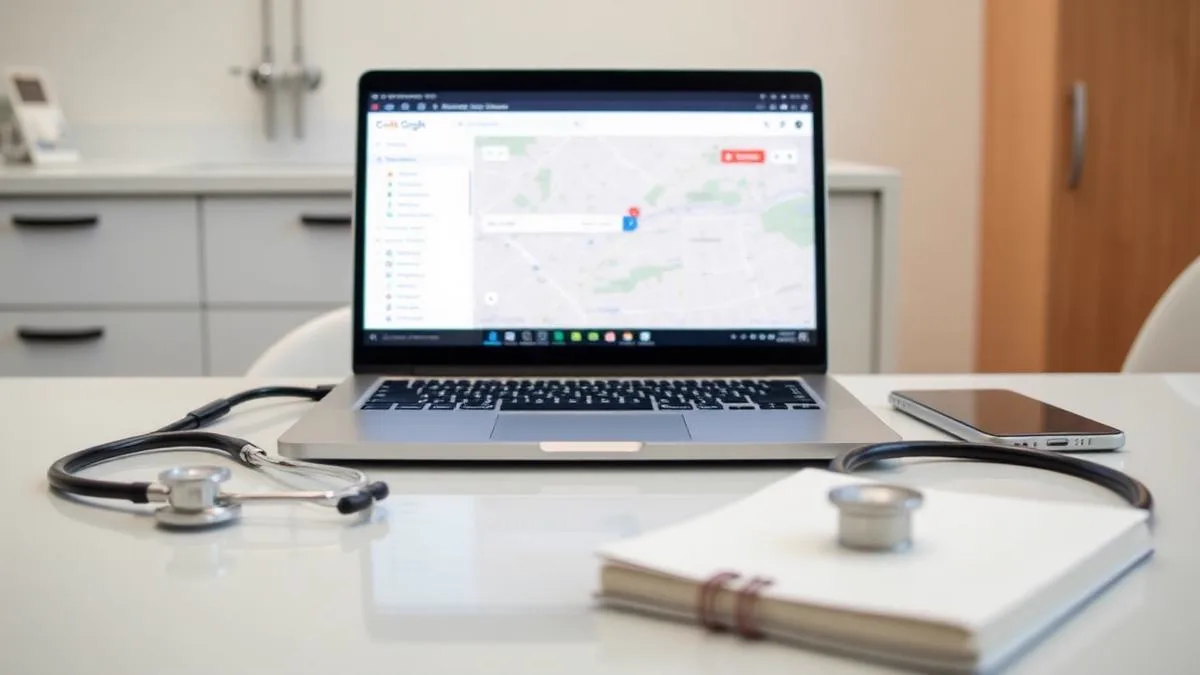
Small dental practices win SEO locally, not nationally. Prioritize a complete Google Business Profile, a page for each treatment you want to sell, consistent local citations, and steady reviews. Target treatment plus neighborhood searches rather than competitive head terms like dentist near me.
On this page
Dental SEO head terms are dominated by group practices and directory sites with years of authority. A three-chair practice cannot win that fight with volume, and does not need to. The searches that fill your schedule are smaller, more specific, and much less contested.
Which keywords should a small practice target?
| Keyword | Monthly searches | Difficulty | Realistic for a small practice |
|---|---|---|---|
| dental seo | 6,600 | 36 of 100 | Not as a first target |
| dental marketing | 2,900 | 31 of 100 | Not as a first target |
| dental patient acquisition | 70 | 1 of 100 | Yes |
| dental google ads | 170 | 6 of 100 | Yes |
| treatment plus neighborhood | Low individually | Low | Yes, and they compound |
Twenty neighborhood-level pages, each attracting a small number of high-intent searches, beat one page chasing a term you will not reach for years.
What is the order of work?
Google Business Profile first
Correct category, every service listed, real photos, accurate hours including emergency availability, and a direct booking link.
One page per treatment
Implants, Invisalign, crowns, whitening, emergency care, and hygiene each get a page with pricing guidance and booking.
One page per genuine service area
Only for neighborhoods you truly serve, with real local detail. Duplicated area pages are treated as thin content.
Reviews on a schedule
A consistent request process beats an occasional push. Recency affects local ranking.
Technical basics
Fast mobile loading, LocalBusiness or Dentist schema, correct name, address, and phone in the footer and markup.
Answer real questions
Cost, insurance, pain, appointment length. These are the questions patients search and AI assistants summarize.
How long does it take?
- Google Business Profile improvements: two to four weeks for visible map pack movement.
- Treatment pages: eight to sixteen weeks to settle into position.
- Neighborhood pages: three to six months, compounding as they mature.
- Review flow: continuous, with a noticeable effect after the first thirty to fifty new reviews.
Because that timeline is real, most small practices run search ads on emergency and high-value treatments while SEO builds underneath. The ads pay for the present, the SEO reduces what the ads have to carry later.
Frequently asked questions
Is SEO worth it for a small dental practice?
Yes, when it is scoped locally. Competing for national head terms is not realistic, but ranking for treatment plus neighborhood searches and appearing in the map pack produces steady new patients without ongoing media cost.
What is the most important dental SEO factor?
For a local practice it is the Google Business Profile: correct category, complete service list, real photos, accurate hours, and a steady flow of recent reviews. It usually drives more new patients than the website itself.
How many pages does a dental website need?
One page for each treatment you want to sell, one for each genuine service area, plus the standard about, team, and contact pages. Quality and specificity matter far more than page count.
How do I show up in AI search answers?
Answer the question directly in the first paragraph of the page, use question-shaped headings, include concrete figures in tables, and add FAQ structured data. Assistants favor pages that are easy to quote accurately.

Want this built for your clinic?
Book a strategy call and we will model a realistic appointment target from your budget, market, and offer.